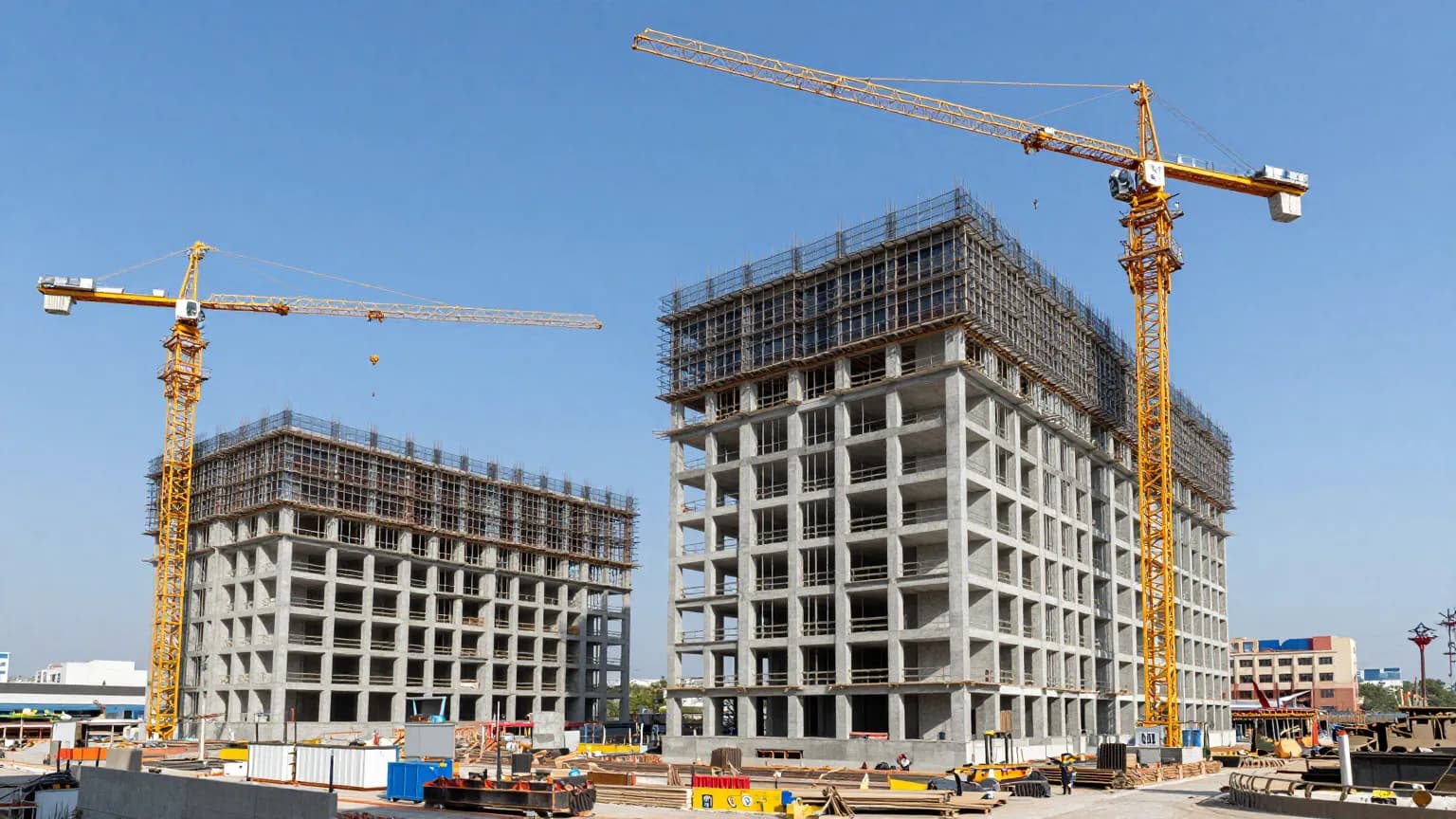
India's infrastructure sector is experiencing unprecedented investment. The government's focus on capital expenditure — from the Bharatmala highway program to the Smart Cities Mission — has created a pipeline of projects that will keep civil construction companies busy for the next decade.
The scale is staggering. The National Highway Authority of India (NHAI) aims to build 25 kilometers of highways per day. The Sagarmala project is modernizing 12 major ports. Metro rail networks are under construction in over 25 cities simultaneously. Industrial corridors connecting major manufacturing hubs are creating demand for bridges, flyovers, and grade separators.
For civil construction companies, this boom presents both opportunity and challenge. The opportunity is obvious — more projects, bigger budgets, longer pipelines. The challenge is execution capacity. Companies that can mobilize skilled labor, modern equipment, and project management expertise quickly will capture disproportionate market share.
Quality standards are also rising. Government projects now mandate strict adherence to IRC (Indian Roads Congress) and IS (Indian Standards) codes. Third-party quality audits are becoming standard. Concrete cube testing, soil compaction verification, and material traceability are non-negotiable requirements in most contracts.
Equipment modernization is a key differentiator. Companies still relying on manual labor for earthmoving and batching are losing bids to firms with GPS-guided excavators, automated batching plants, and sensor-equipped compaction equipment. The productivity gap between mechanized and manual operations can be 5–10x.
At UDS Infrastructure, our civil division combines the equipment fleet and execution capability of a large contractor with the agility and client focus of a regional specialist. From highway construction to deep foundation piling, we bring modern engineering practices to every project — backed by the 16-year stability of the Ultimate Group.